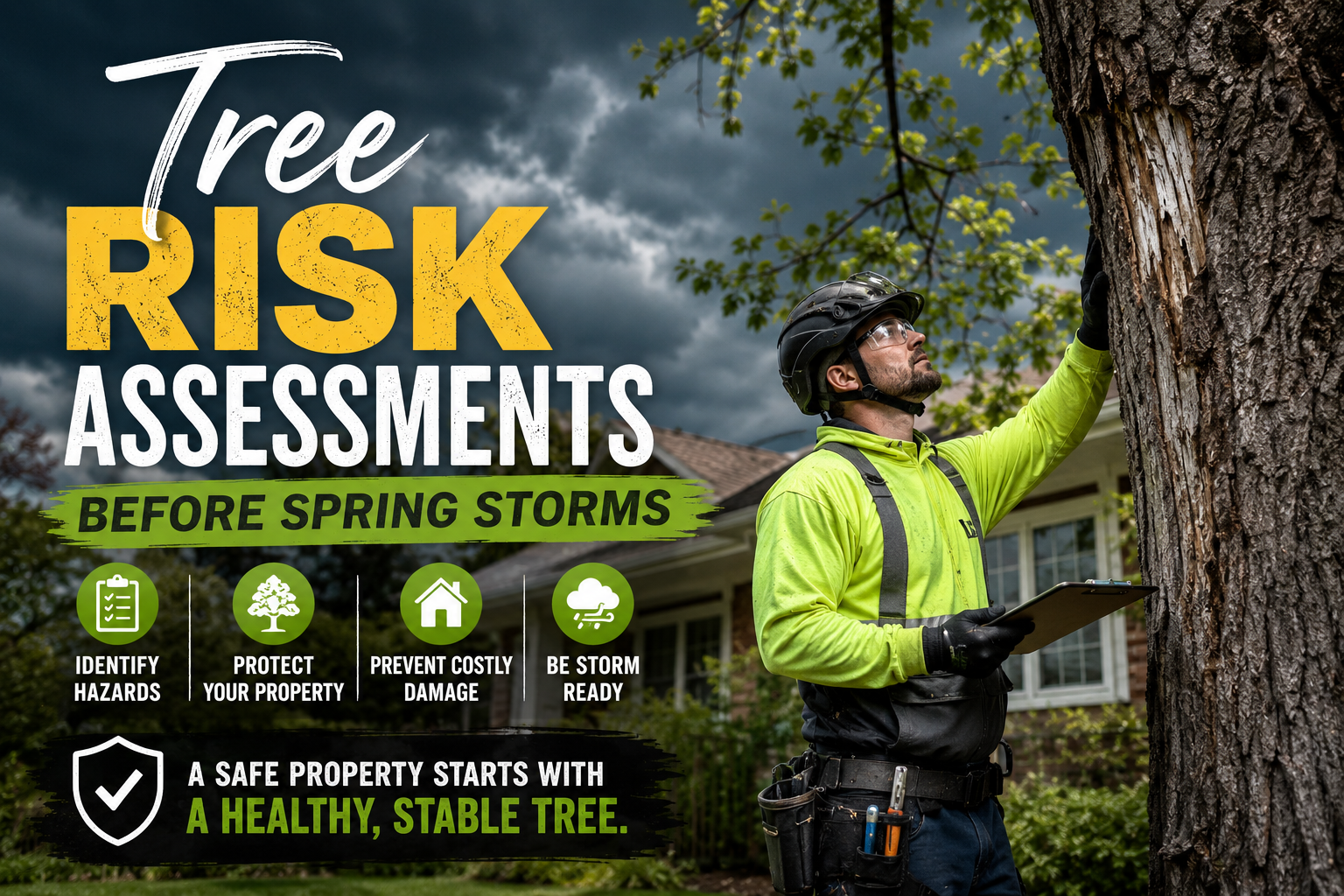
As spring approaches in Georgia, warmer temperatures also bring strong thunderstorms, heavy rain, lightning, and damaging winds. While many homeowners prepare their roofs, gutters, and landscaping for storm season, trees are often overlooked until serious damage occurs.
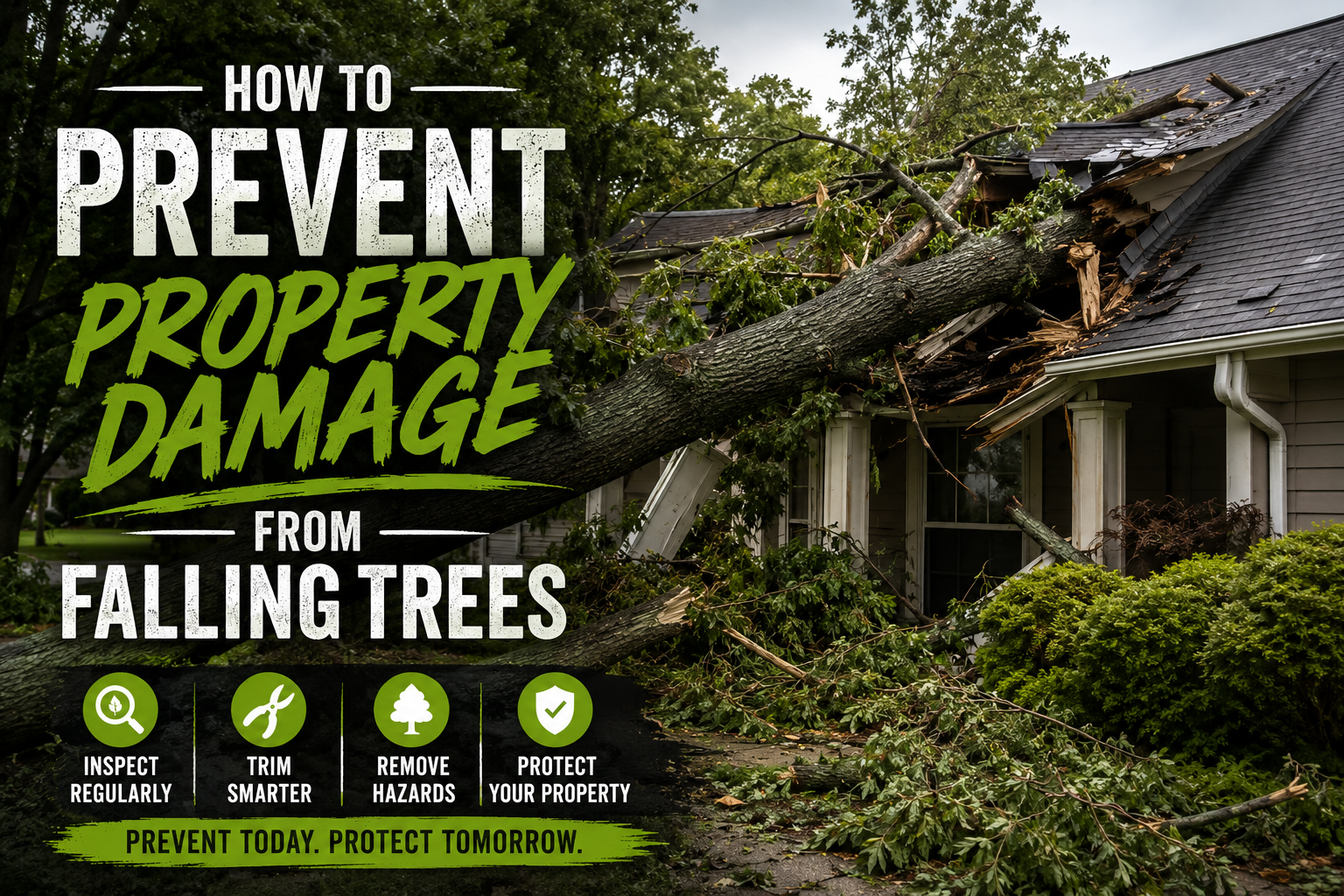
A weakened or hazardous tree can quickly become a major threat during severe weather. Falling limbs and uprooted trees can damage homes, vehicles, fences, power lines, and even place lives at risk. That is why scheduling a professional tree risk assessment before spring storms arrive is one of the smartest investments property owners can make.
At E-Z Out Tree Service, we help homeowners and businesses throughout north metro Atlanta identify dangerous tree conditions before storms create costly emergencies.
What Is a Tree Risk Assessment?
A tree risk assessment is a professional evaluation used to determine the likelihood of a tree or large branch failing and causing damage or injury. Arborists carefully inspect the overall health, structure, stability, and condition of trees on a property to identify potential hazards.
The goal is to detect problems early so corrective action can be taken before a storm causes a tree to fall.
Why Spring Storms Increase Tree Risks
Spring storms often bring:
- Heavy rainfall
- Saturated soil
- High winds
- Thunderstorms
- Lightning
- Tornado activity
- Sudden temperature changes
These weather conditions place tremendous stress on trees, especially those that are already weakened by disease, decay, age, root damage, or structural defects.
Even healthy-looking trees can fail during severe weather if hidden problems are present.
Common Warning Signs of Hazardous Trees
Many dangerous trees show visible warning signs long before failure occurs. During a tree risk assessment, arborists look for issues such as:
Dead or Hanging Branches
Dead limbs are more likely to break during storms and can fall without warning. Large hanging branches over homes, driveways, or sidewalks are especially dangerous.
Leaning Trees
A tree that suddenly begins leaning may indicate root failure or soil instability. Leaning trees should always be inspected immediately.
Cracks or Splits in the Trunk
Visible cracks in the trunk or major limbs can weaken the tree’s structure and increase the risk of failure during strong winds.
Decay and Hollow Areas
Rotting wood weakens the internal structure of a tree. Hollow trunks and large cavities are major red flags.
Root Problems
Damaged, exposed, or decaying roots can severely affect a tree’s stability. Construction work, erosion, soil compaction, and flooding can all contribute to root damage.
Fungal Growth
Mushrooms or fungal growth near the base of a tree may indicate internal decay and root deterioration.
The Benefits of Tree Risk Assessments
Protect Your Home and Property
Identifying hazardous trees before storms hit can help prevent expensive property damage and dangerous situations.
Improve Safety
Tree failures can injure family members, guests, employees, or pedestrians. Preventive tree care helps create a safer environment.
Save Money in the Long Run
Preventive trimming or tree removal is often far less expensive than emergency storm cleanup and structural repairs.
Preserve Healthy Trees
Not every tree with issues needs to be removed. Many trees can be strengthened through pruning, cabling, bracing, or proper maintenance.
Gain Peace of Mind
Knowing your trees have been professionally evaluated allows you to feel more confident heading into storm season.
What Happens After a Tree Risk Assessment?
After the inspection, a professional tree service company may recommend:
- Tree trimming or pruning
- Deadwood removal
- Cabling or bracing
- Soil improvement
- Monitoring tree health
- Hazardous tree removal
- Storm preparation services
Each recommendation is based on the tree’s condition, location, and level of risk.
Do Not Wait Until After the Storm
One of the biggest mistakes property owners make is waiting until storm damage has already occurred. By that point, emergency removals are often more dangerous, more stressful, and more expensive.
Scheduling a tree risk assessment before spring storms arrive gives you time to address potential hazards safely and proactively.
Professional Tree Risk Assessments in North Metro Atlanta
At E-Z Out Tree Service, we provide professional tree inspections, hazardous tree evaluations, tree trimming, emergency tree removal, and storm preparation services throughout Gwinnett County, Barrow County, and surrounding north metro Atlanta communities.
Our experienced team understands how Georgia weather impacts trees and can help identify potential risks before severe storms threaten your property.
Contact us today to schedule a professional tree risk assessment and help protect your home, business, and family before spring storm season begins.