Tree Pruning Is Essential for Maintaining a Healthy & Safe Property
Professional tree pruning is an important part of maintaining the health, appearance, and safety of your landscape. Properly pruned trees not only improve the overall beauty of your property, but they also encourage healthy growth, strengthen tree structure, increase flower and fruit production, and reduce the risk of damage caused by weakened or overgrown limbs.
Routine pruning helps trees develop strong branch configurations that support long-term structural integrity. By maintaining healthy branch growth and removing damaged or hazardous limbs, tree pruning reduces the likelihood of falling branches and storm-related damage. In addition to improving safety, professionally maintained trees enhance curb appeal and can increase the overall value of your home or commercial property.
Property Risks & Safety Concerns of Neglected Tree Pruning
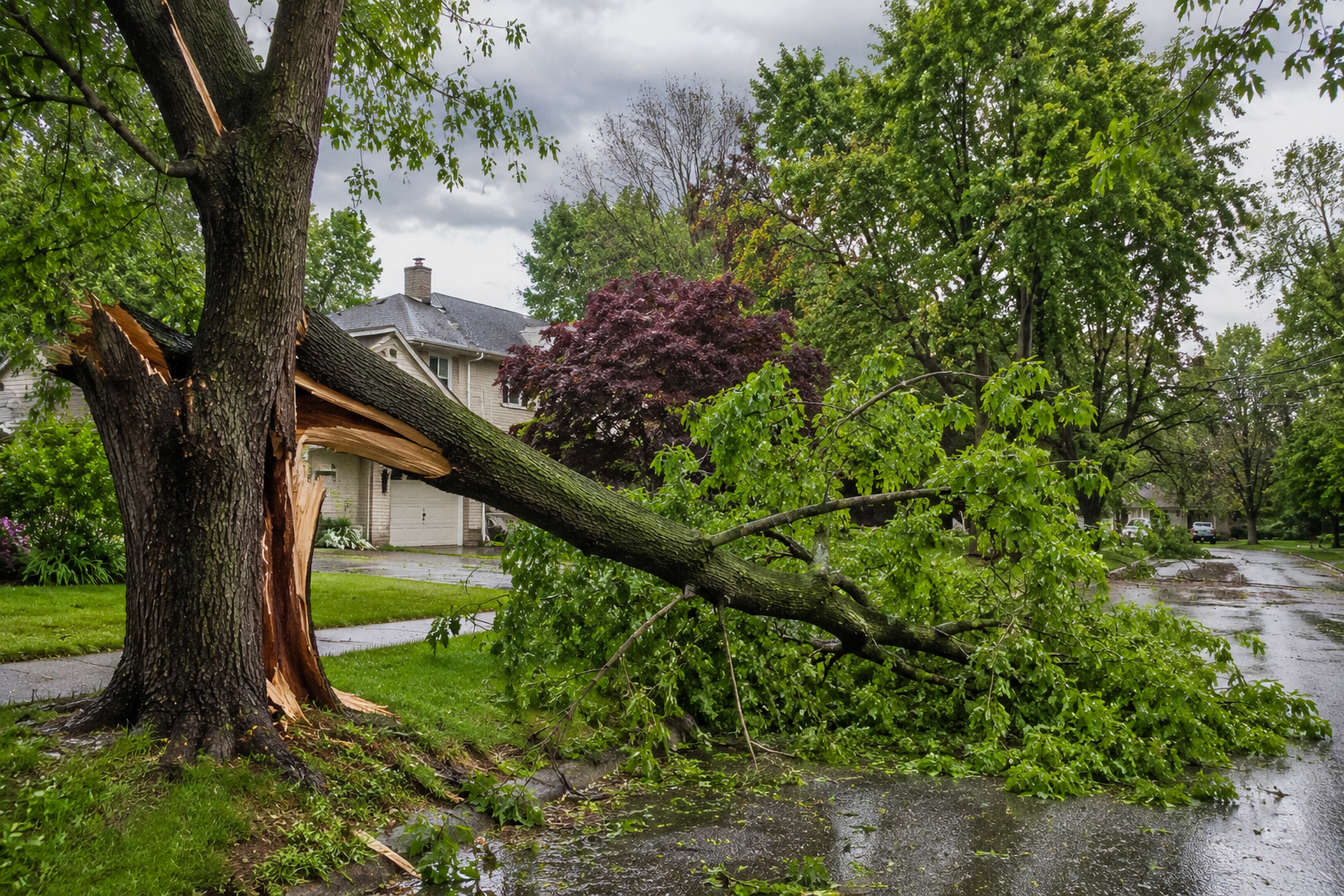
Failing to regularly maintain and prune trees can create serious safety hazards and costly property issues. Dead limbs, diseased branches, insect infestations, and overgrown trees can weaken the overall health of a tree and increase the risk of falling branches or structural failure.
Preventative tree pruning helps reduce:
- Fungal growth and disease spread
- Insect infestations
- Dead or hazardous limbs
- Storm-related damage
- Risks to structures and vehicles
- Property liability concerns
Branches growing too close to windows, roofs, siding, driveways, or power lines can cause extensive damage during high winds or severe storms. Overgrown limbs can scratch structures, break windows, interfere with utility lines, and create dangerous conditions for your family, guests, or employees.
Routine pruning is often far less expensive than repairing damage caused by neglected trees.
Why Tree Pruning Should Be Left to Professionals
Many property owners underestimate the skill and knowledge required to properly prune trees. Improper pruning techniques can permanently damage a tree, weaken its structure, or negatively affect future growth.
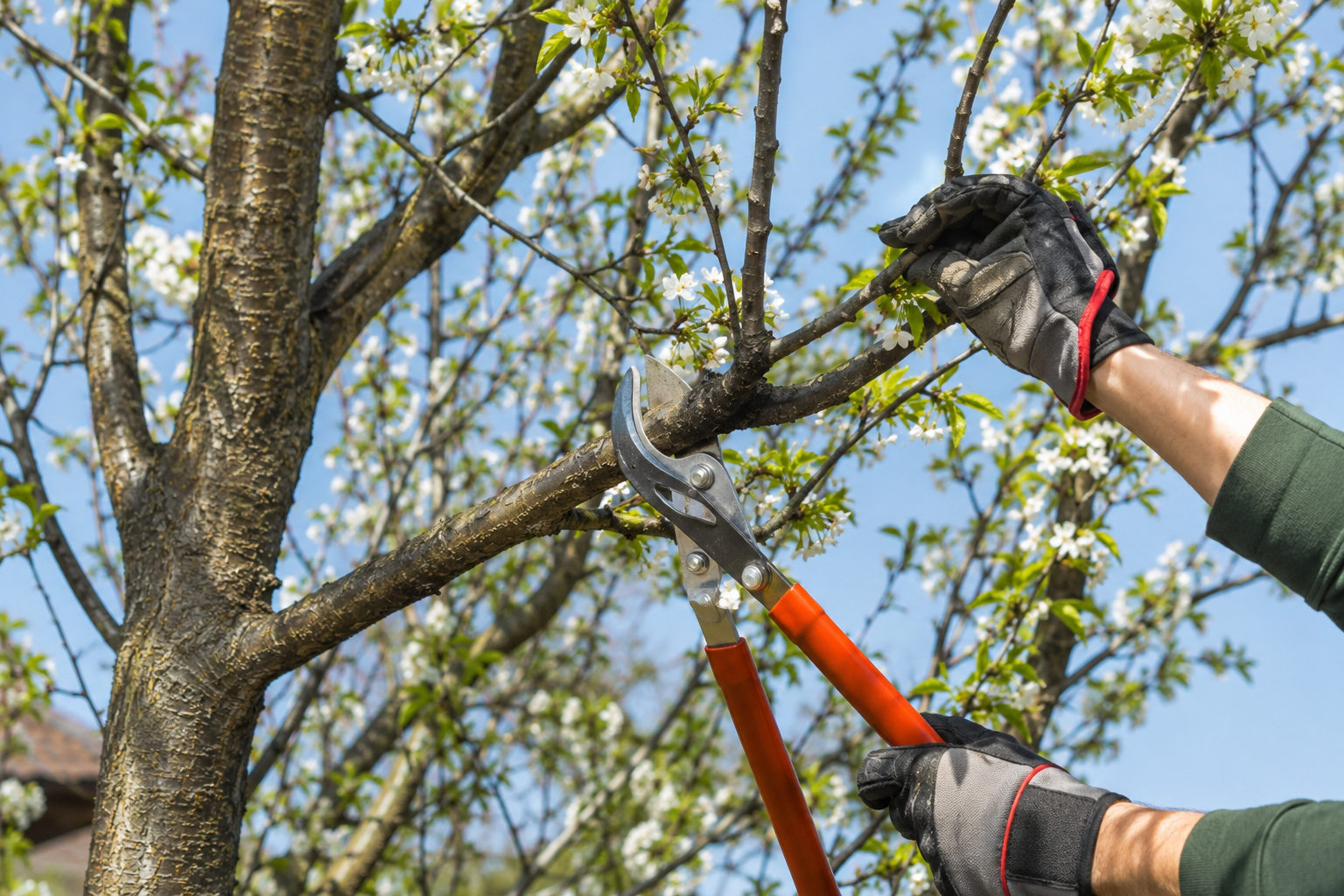
Professional tree pruning involves far more than simply cutting branches. Proper cuts must be carefully placed to encourage healthy healing, maintain structural integrity, and preserve the natural appearance of the tree.
For example, certain pruning cuts must be made at precise angles and distances from buds or branch unions to avoid damaging healthy growth. Incorrect cuts can lead to disease, decay, weakened limbs, or even the death of the tree.
At E-Z Out Tree Service, our experienced tree professionals understand proper pruning techniques and industry standards to ensure your trees remain healthy, attractive, and structurally sound.
Why Trees Need Regular Pruning
Routine tree pruning provides several important benefits for both the tree and your property.
Regular pruning helps:
- Provide clearance around structures and walkways
- Improve visibility and scenic views
- Reduce the risk of branch failure
- Promote healthy growth
- Increase sunlight penetration
- Improve air circulation
- Reduce excessive shade
- Shape and guide tree growth
- Improve overall appearance
Professional Tree Pruning Methods
Different trees and situations require different pruning techniques. Our experienced crews use professional pruning methods designed to improve tree health, structure, and safety.
Crown Cleaning
Crown cleaning is one of the most common pruning methods and involves removing:
- Dead branches
- Broken limbs
- Diseased wood
- Weak or poorly attached branches
This process helps correct minor issues before they become larger and more dangerous problems.
Crown Thinning
Crown thinning selectively removes branches throughout the canopy to improve airflow and sunlight penetration. Proper thinning helps reduce wind resistance while maintaining the tree’s natural shape and structural balance.
Crown Raising
Crown raising removes lower branches to create additional clearance above lawns, driveways, sidewalks, roofs, and outdoor living areas.
Crown Restoration
Crown restoration helps improve the appearance and structure of storm-damaged or improperly topped trees by removing dead limbs, water sprouts, and damaged growth.
When Is the Best Time to Prune Trees?
The ideal time for tree pruning depends on the species of tree and its growth cycle.
General pruning guidelines include:
- Non-blooming trees and shrubs are often best pruned during late winter dormancy
- Summer-blooming trees are typically pruned in late winter
- Spring-blooming trees should usually be pruned shortly after flowering
- Routine maintenance pruning for dead, diseased, or hazardous limbs can often be performed year-round
Proper timing helps maximize healthy growth while minimizing stress on the tree.
Trust E-Z Out Tree Service for Professional Tree Pruning
At E-Z Out Tree Service, we have more than 30 years of experience providing professional tree pruning and tree care services throughout the metro Atlanta area. Our skilled crews and arborists work carefully to improve the health, safety, and appearance of your trees while protecting your home and property.
Whether you need routine maintenance pruning, hazardous limb removal, storm damage cleanup, or complete tree care services, we are here to help.
Call Today for a Free Quote
770-822-9843