Tree Risk Assessments Are Essential Before Spring Storm Season
A professional tree risk assessment is one of the most important preventative steps property owners can take before spring storms arrive. Tree risk assessments help determine whether a tree is likely to fail during severe weather, high winds, or heavy rain and potentially cause property damage or personal injury.
In states like Georgia, where strong spring and summer storms are common, evaluating the condition and structural integrity of trees before storm season can help prevent dangerous and costly situations. Proactive tree inspections allow potential problems to be identified early before they become major hazards.
What Is a Tree Risk Assessment?
A tree risk assessment is a professional evaluation performed by a trained arborist to determine the health, stability, and structural integrity of a tree. Arborists use their expertise to assess whether a tree presents a risk to nearby people, homes, businesses, vehicles, or utility lines and recommend appropriate preventative measures when necessary.
The goal of a tree risk assessment is to reduce the likelihood of:
- Falling limbs
- Tree failure during storms
- Property damage
- Injuries or fatalities
- Long-term tree decline
By identifying structural weaknesses early, property owners can take corrective action before severe weather creates hazardous conditions.
What Arborists Evaluate During a Tree Risk Assessment
One of the key aspects of a tree risk assessment is determining a tree’s structural capacity — its ability to withstand environmental stress such as strong winds, saturated soil, or storm conditions.
During an assessment, arborists evaluate factors including:
- Tree species
- Growth patterns and structure
- Branch attachment quality
- Root system condition
- Leaning or imbalance
- Existing defects or damage
- Tree health and vigor
- Soil conditions and slope
- Site history and environmental factors
Each of these elements helps determine whether a tree is structurally sound or potentially vulnerable to failure.
What Causes Trees to Fail?
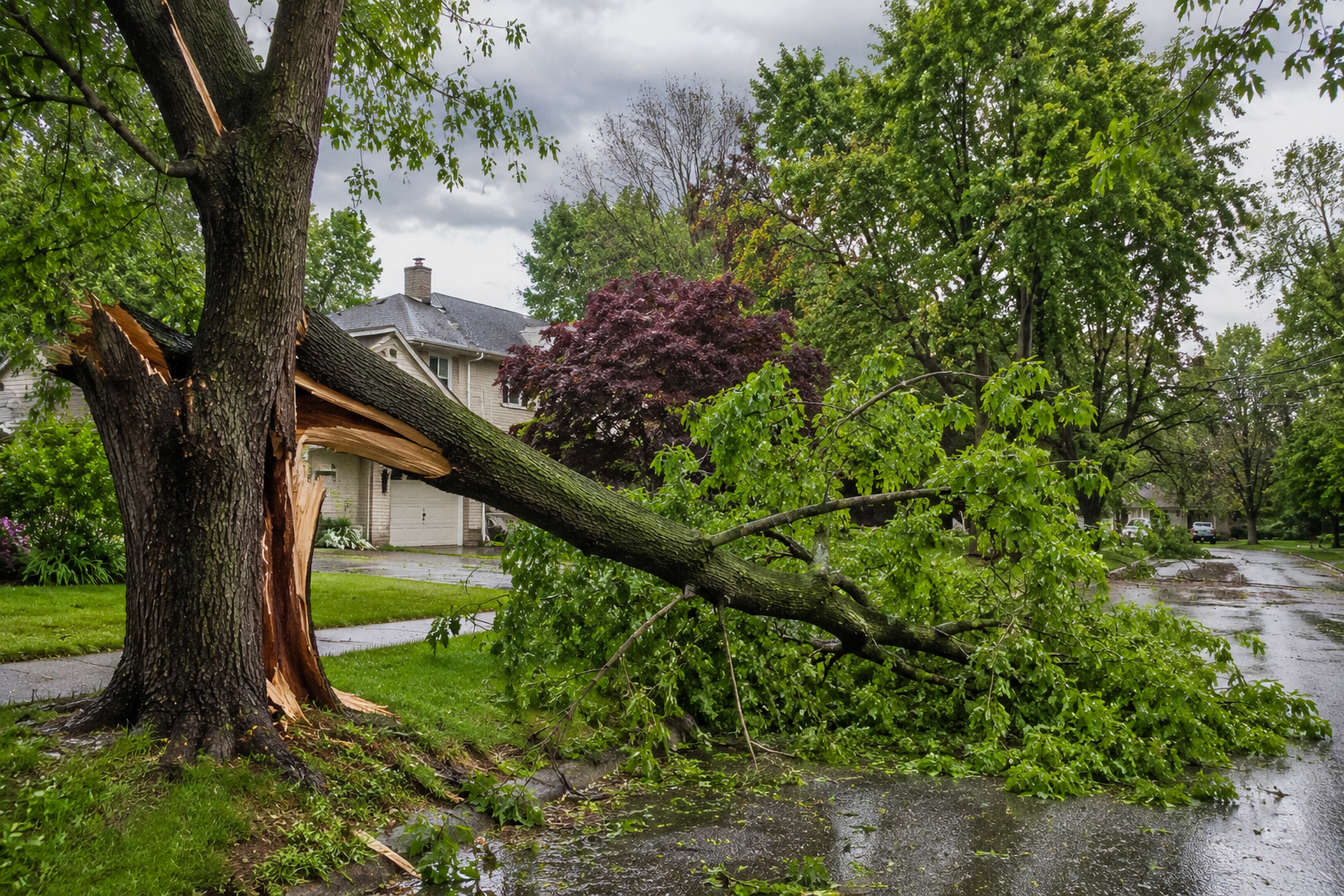
Trees fail when environmental forces exceed the tree’s structural strength. Severe weather, saturated soil, flooding, high winds, disease, decay, and root instability can all contribute to tree failure.
In Georgia, storms often create conditions that significantly increase the risk of uprooting or limb breakage. Flooding and prolonged soil saturation can weaken root systems, while strong winds place additional stress on weakened trees.
Factors such as:
- Soil erosion
- Poor drainage
- Root rot
- Tree decay
- Heavy canopies
- Steep slopes
- Structural defects
can all increase the likelihood of tree failure during storms.
Larger, mature trees may pose even greater risks due to their size and potential impact if they fall.
Why Tree Assessments Should Be Performed by Certified Arborists
Proper tree risk assessment requires specialized knowledge, training, and experience. Certified arborists are trained to recognize subtle structural defects and hidden signs of decline that may not be visible to the untrained eye.
Professional arborists can help property owners understand:
- Where tree failure is most likely to occur
- Conditions that may trigger failure
- Recommended preventative measures
- Risk reduction options
- Long-term tree management strategies
- Estimated costs for corrective work
It takes an experienced professional to distinguish between minor issues that can be corrected and major structural concerns that may require tree removal.
Many serious tree defects exist internally or below ground level and may not be immediately obvious without professional evaluation.
What Professional Arborists Look for During an Inspection
At E-Z Out Tree Service, our experienced arborists perform thorough tree evaluations designed to identify potential safety hazards and long-term health concerns before they become dangerous.
During a tree risk assessment, our arborists inspect for:
- Dieback and declining growth
- Cavities and hollow areas
- Cracks and trunk wounds
- Decay and fungal growth
- Weak branch attachments
- Crown discoloration
- Root collar issues
- Leaning trees
- Structural imbalance
- Bark separation or sloughing
- Root zone problems
- Signs of disease or insect infestation
We also inspect for codominant stems — multiple stems growing from the same attachment point — which may split apart under stress.
Our arborists are trained to identify different types of fungal decay, including:
- White rot
- Brown rot
- Soft rot
- Sap rot
Additionally, certain insects such as carpenter ants or pine beetles may indicate internal decay or disease problems that can compromise a tree’s structural integrity.
Why Regular Tree Inspections Matter
Regular tree inspections are one of the best ways to reduce the risk of storm-related tree damage. Many dangerous tree failures, costly repairs, and preventable injuries can be avoided through routine maintenance and professional evaluations.
Trees should be inspected regularly, especially:
- Before storm season
- After severe storms
- Following flooding
- If trees are leaning
- When branches appear dead or damaged
- If signs of disease or decay are visible
Even healthy-looking trees may contain hidden structural issues that could lead to sudden failure during severe weather.
Protect Your Property with E-Z Out Tree Service
For more than 30 years, E-Z Out Tree Service has helped homeowners and businesses throughout northeast Georgia protect their properties through professional tree care and risk assessment services.
Our certified arborists provide comprehensive evaluations and expert recommendations to help reduce hazards and maintain healthy, structurally sound trees.
Depending on the condition of the tree, solutions may include:
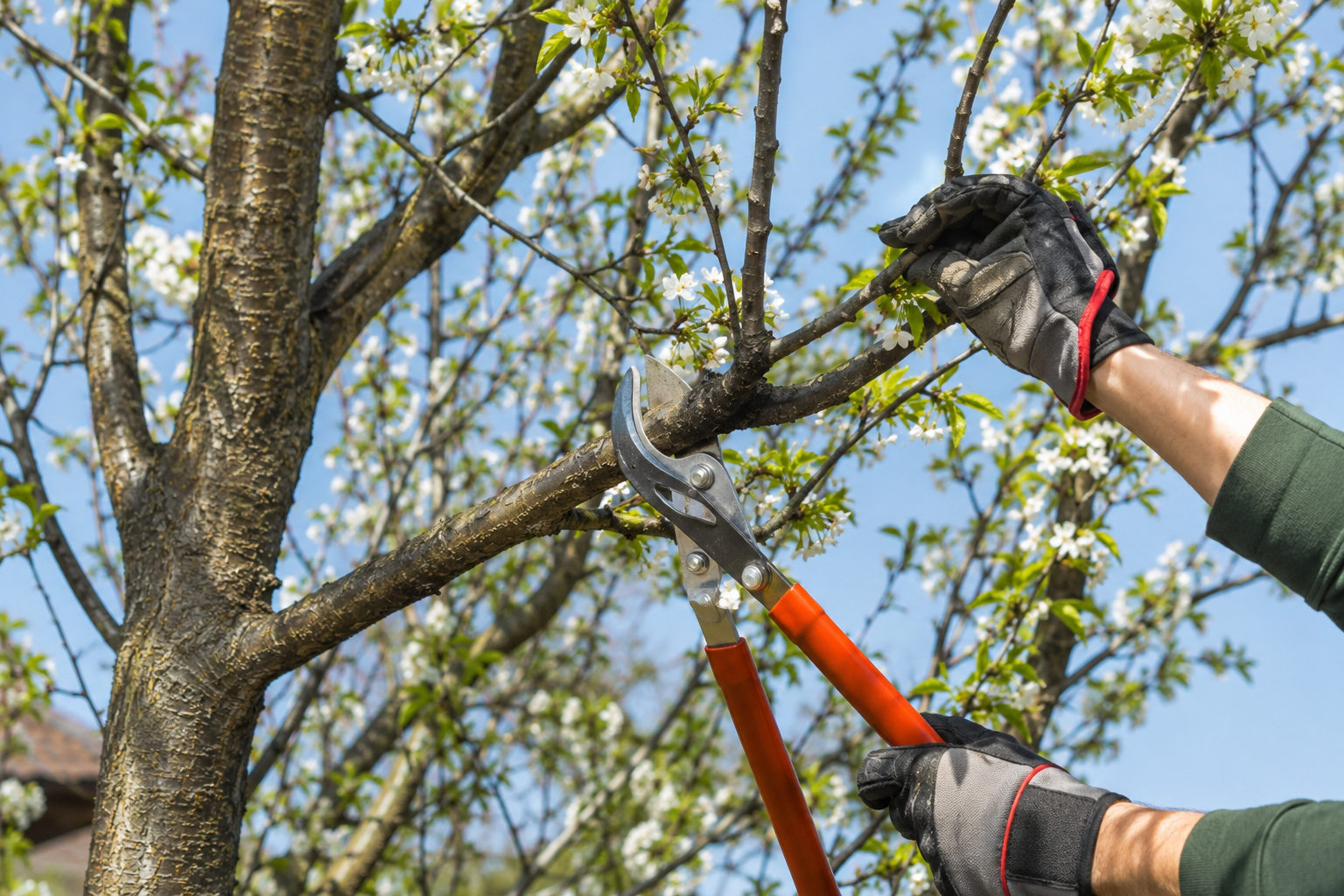
- Tree pruning
- Hazardous limb removal
- Cabling and support systems
- Soil and root care
- Tree preservation
- Preventative maintenance
- Safe tree removal when necessary
At E-Z Out Tree Service, we believe preventative care is one of the most effective ways to protect your home, family, and property from dangerous tree-related incidents.
Schedule Your Tree Risk Assessment Today
Spring storms can arrive quickly, and hazardous trees often fail without warning. Now is the ideal time to have your trees professionally inspected before severe weather creates costly or dangerous situations.
Contact E-Z Out Tree Service today at 770-822-9843 to schedule your personalized tree risk assessment and help keep your property safe throughout storm season.